







Search Results for: Coffee roast levels
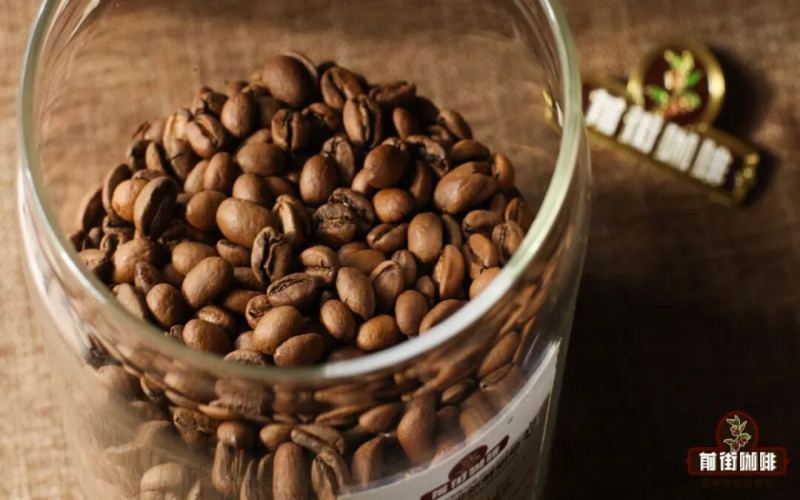
Coffee Roast Levels | How Can Coffee Beginners Quickly Distinguish the Roast Level of Coffee Beans? How Are Coffee Bean Roast Levels Defined?
As is well known, Front Street primarily sells coffee beans and has shops on both Taobao and Tmall, so friends who can't make it to the physical store often place orders online. Some of them then noticed that Front Street's bean labels don't indicate the roast level of the coffee beans, and they reported that once they receive the beans, they don't know how to identify [more…]
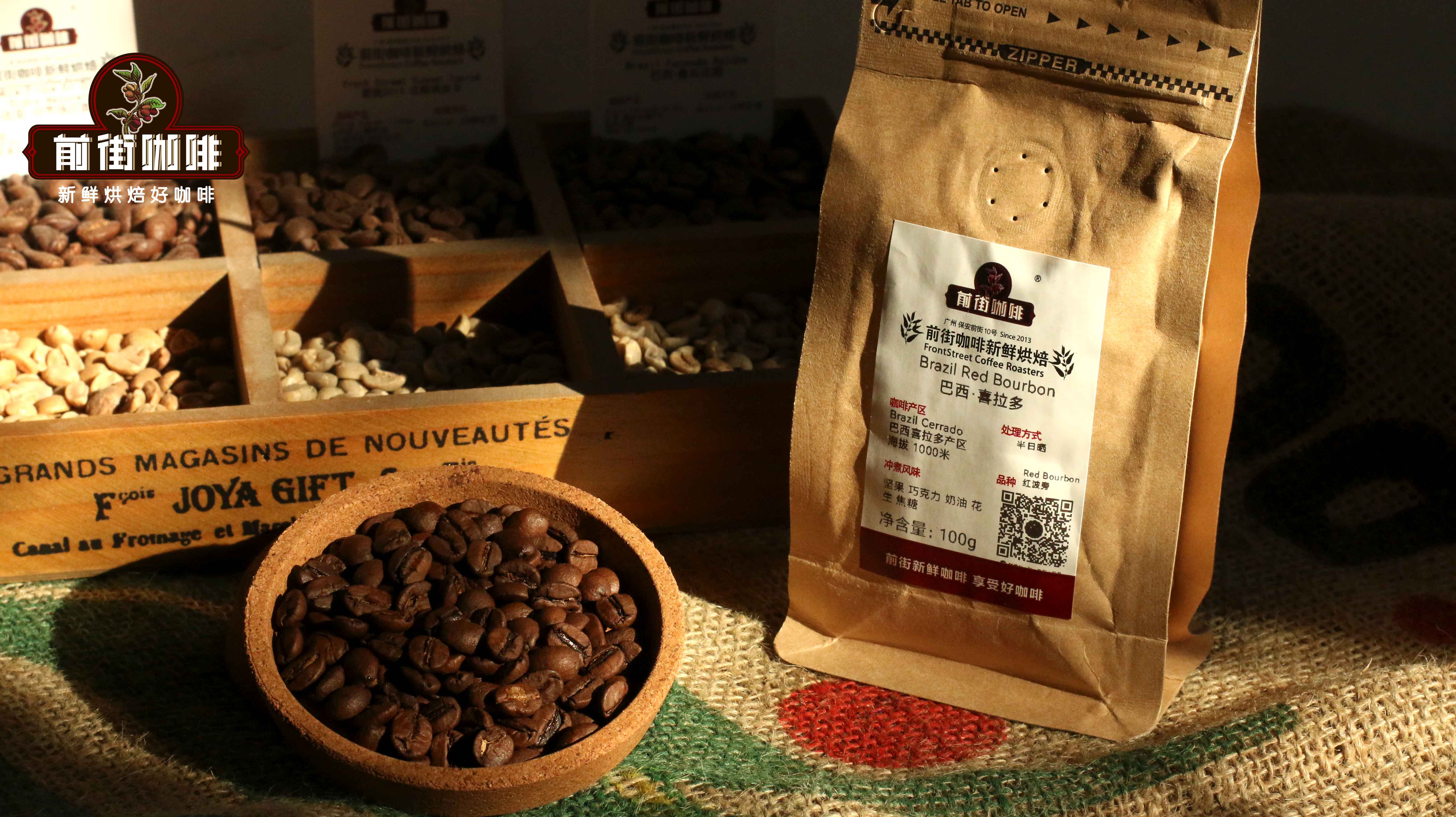
How Are Coffee Bean Roast Levels Classified? A Complete Analysis of National Standards, Flavor Assessment, and Brewing Parameters
Common labels on coffee bean packaging such as light roast, medium roast, and cinnamon roast often confuse beginners. The roast level directly determines the direction of coffee flavor, and historically different countries and regions have had their own schools of thought for defining roast levels, lacking a unified standard. The Specialty Coffee Association of America, together with Agtron, used infrared caramelization measurement values as the basis to divide roast levels from light to dark into eight grades, which has become an important industry reference. In this article, Front Street will systematically introduce the Agtron color values, drop times, and flavor characteristics of each roast level, and share how to judge the roast level through flavor descriptions, as well as the grinding degree and water temperature parameters that should be used for different roast levels. [more…]
How Coffee Roast Levels Shape Flavor: A Complete Guide from Light Roast to Espresso Roast
Green coffee beans themselves have almost no flavor; only through roasting can they release rich aromas and flavors. Different roasting levels directly affect coffee's acidity, bitterness, sweetness, and aromatic expression. This article will systematically introduce the eight levels from extremely light roast to Italian roast, analyze the flavor characteristics and representative bean types corresponding to each roast level, and delve into how the four major flavor elements—sweetness, bitterness, acidity, and aroma—affect the quality of a cup of coffee, helping you find the roast level best suited to your personal taste preferences. [more…]
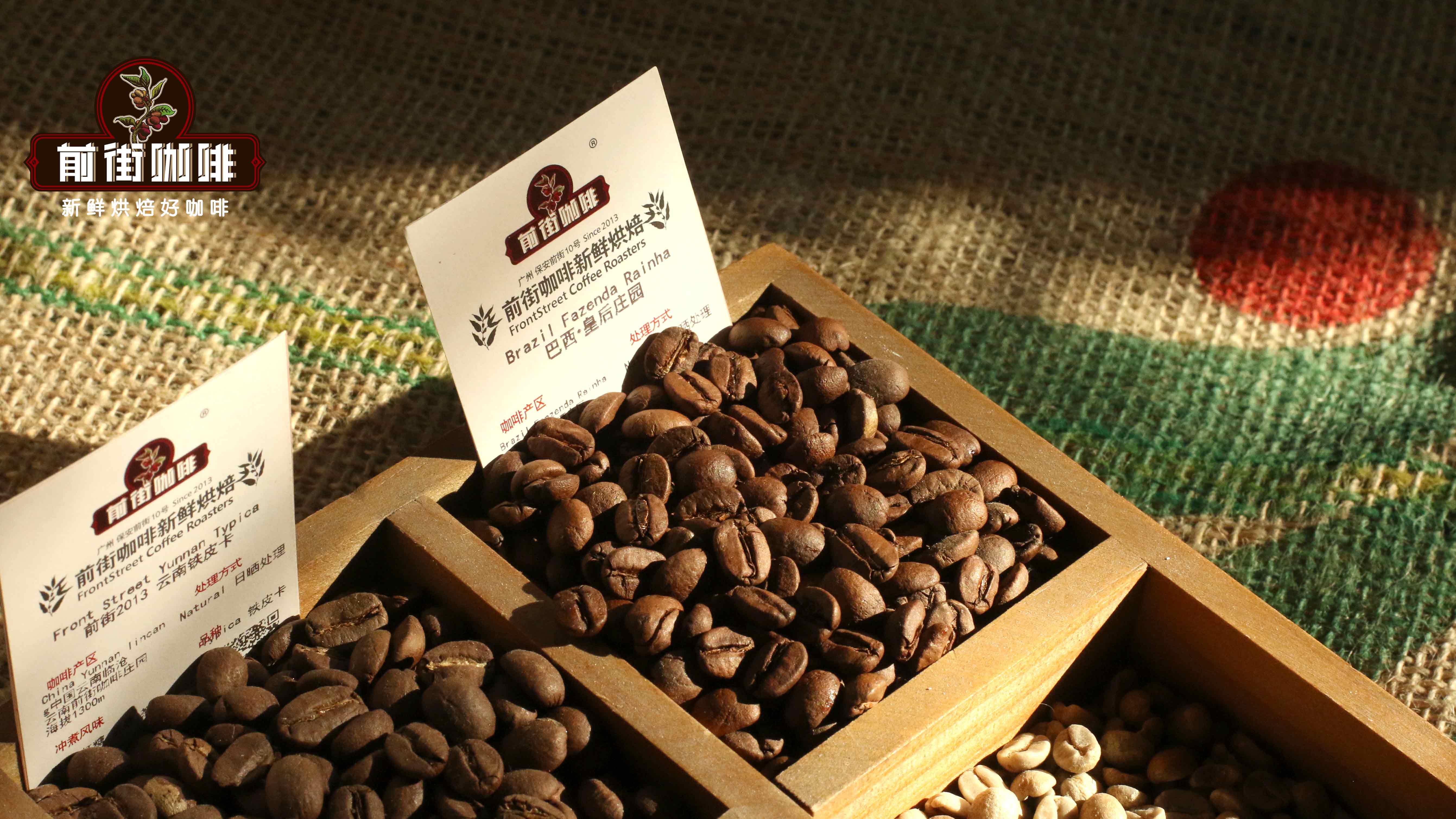
A Complete Guide to Coffee Roast Levels: Flavor Differences Between Light, Medium, and Dark Roasts and Pour-Over Parameter Guide
The roast level of coffee beans directly affects the final flavor profile, but the labeling methods on the market are diverse, ranging from light roast to cinnamon roast, often leaving beginners confused. This article, from the perspective of Front Street, systematically sorts out the definition standards and flavor characteristics of coffee roast levels. Using the SCAA's Agtron color value system, it divides light to dark roasts into eight levels and explains the dropping timing and flavor performance of each stage one by one. At the same time, the article also shares how to infer the roast level from flavor descriptions, the bean selection logic for espresso, and the pour-over grind size and water temperature parameters corresponding to different roast levels, helping you accurately judge and brew a good cup of coffee even when labeling is lacking. [more…]
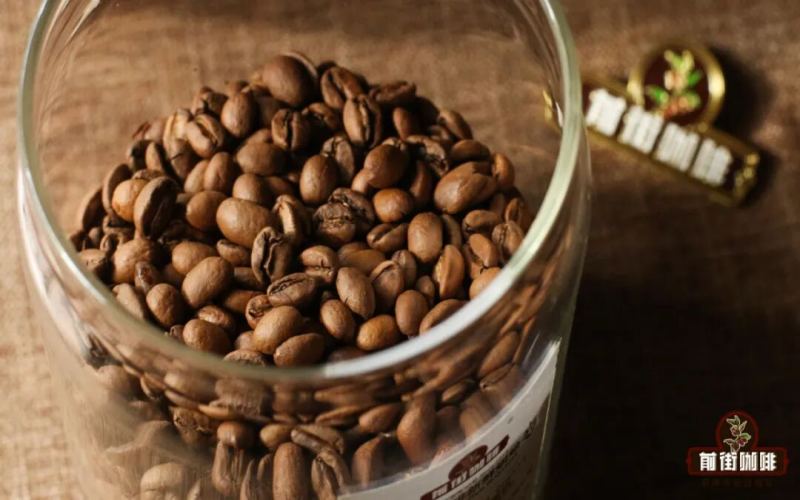
Coffee Knowledge | How to Quickly Identify Coffee Bean Roast Levels? Introduction to Grind Size and Brewing Water Temperature Parameters for Medium-Light and Medium-Dark Roasted Coffee
As everyone knows, Front Street Coffee mainly sells beans and has shops on both Taobao and Tmall, so friends who can't make it to the store often place orders online. Then some friends noticed that the labels on Front Street Coffee's beans don't indicate the roast level of the coffee beans, so they reported that after receiving them, they didn't know how to identify [more…]

A Detailed Guide to Coffee Roast Levels: How to Define Light, Medium, and Dark Roasts and Brewing Recommendations
The roast level of coffee beans directly influences the final flavor profile, yet standards vary from country to country, often leaving beginners confused. From the perspective of Front Street, this article systematically introduces the eight-level roasting standard developed by the SCAA in conjunction with Agtron, including the color values and drop times for Light, Cinnamon, Medium, Deep, City, Full City, French, and Italian roasts, and explains how to determine the roast level through flavor descriptions. At the same time, for coffee beans roasted at light-to-medium and medium-dark levels, Front Street shares specific grinding and water temperature recommendations to help everyone brew their ideal flavor more effectively. [more…]
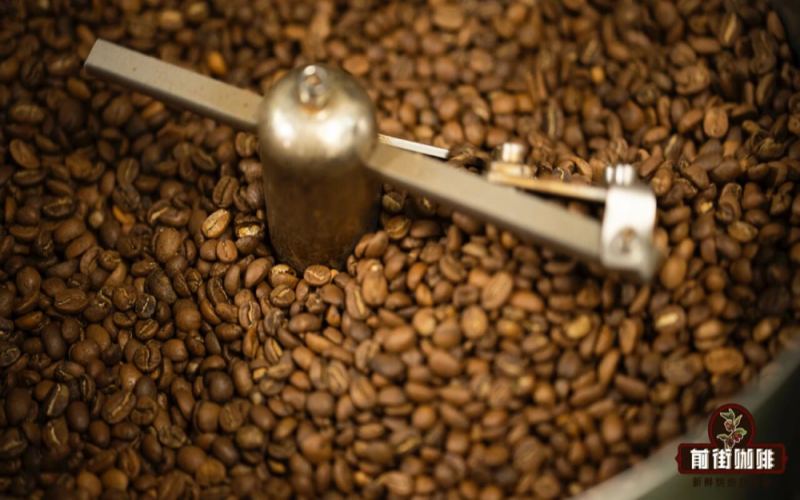
How Coffee Roast Depth Shapes Flavor and Mouthfeel: A Comprehensive Analysis from the Agtron Value to the Flavor in the Cup
The taste of coffee is influenced at every stage, from cultivation at the place of origin, variety selection, and green bean processing to roasting and brewing. The microclimates and bean varieties of different producing regions give coffee its unique regional flavor, while roasting is the key step that unlocks the flavor. Green beans must undergo high-temperature roasting to reveal their aroma and mouthfeel, and different roast levels directly change coffee's acid-bitter balance and body. This article will explain how to use the Agtron number to distinguish roast levels, and use Front Street Yirgacheffe and Golden Mandheling as examples to analyze the actual impact of light roasting and dark roasting on coffee flavor. [more…]
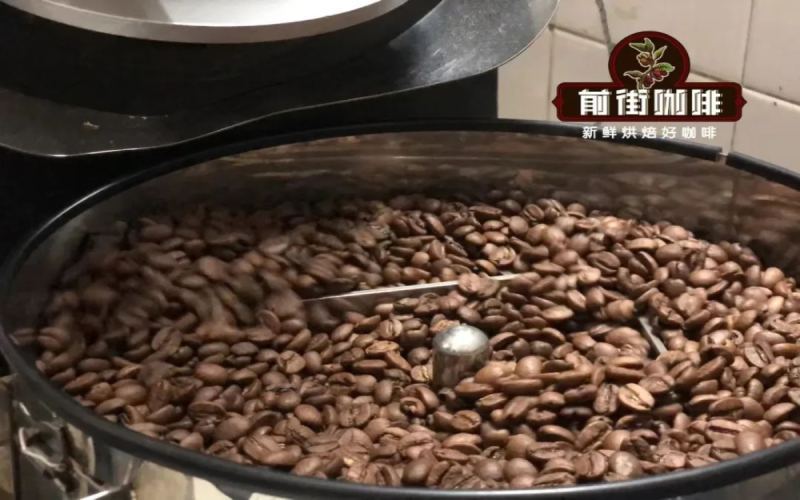
A Complete Guide to Coffee Roast Levels: First Crack, the Eight-Level Agtron Color Classification, and What Roasting Percentage Really Means
What degree of coffee roasting is considered appropriate? Starting from the key milestone of first crack, this article systematically sorts out the logic for determining coffee bean roast level, and with the help of Agtron color values, divides roast degree into eight levels: light, cinnamon, medium, deep, city, full city, French, and Italian, explaining one by one the timing for dropping each level and its flavor direction. At the same time, it answers the correspondence between the Roasting percentage markings commonly used by roasters and Agtron color values, helping coffee enthusiasts quickly understand the roasting information on packaging. The article also includes Front Street Coffee's specialty bean recommendation channel for further communication and purchasing. [more…]
How to Determine Coffee Bean Roast Level? A Comprehensive Analysis from Appearance and Flavor to the SCAA Color Value Comparison
The flavor expression of coffee beans is closely related to the degree of roasting; the same bean will present completely different aromas and mouthfeels under different roasting curves. For coffee enthusiasts, mastering methods to judge the roast level not only helps in selecting beans that suit one's taste, but also enables a more accurate understanding of the flavor descriptions on the packaging. Based on the experience of Front Street Coffee, this article introduces three practical ways to identify roast level: first, by visually observing the bean surface color, wrinkles, and oil conditions; second, by inferring the roasting range from flavor descriptions; and third, by referring to the SCAA's Agtron color value standard, matching the eight-level roast classification with the commonly understood light, medium, and dark roasts, providing a reference for daily bean selection and brewing. [more…]
Analysis of the Relationship Between Coffee Bean Roast Level and Fat Loss: Flavor Differences of Light, Medium, and Dark Roasts and Front Street Coffee Bean Selection Recommendations
The roast level of coffee beans not only determines the flavor direction of a cup of coffee, but may also affect its ability to assist with fat loss. From the bright acidity of a light roast to the rich bittersweetness of a dark roast, different roast levels correspond to different expressions of origin and drinking scenarios. Front Street Coffee, with bean sources covering more than 50 producing regions and its own roasting facility, matches each bean with the roasting profile that best showcases its character through repeated cupping and curve adjustments. This article will systematically sort out the flavor characteristics and representative beans of light, medium, and dark roasts, and answer the connection between roast level and fat-loss effects, helping you understand the logic of flavor while finding the cup that suits you. [more…]
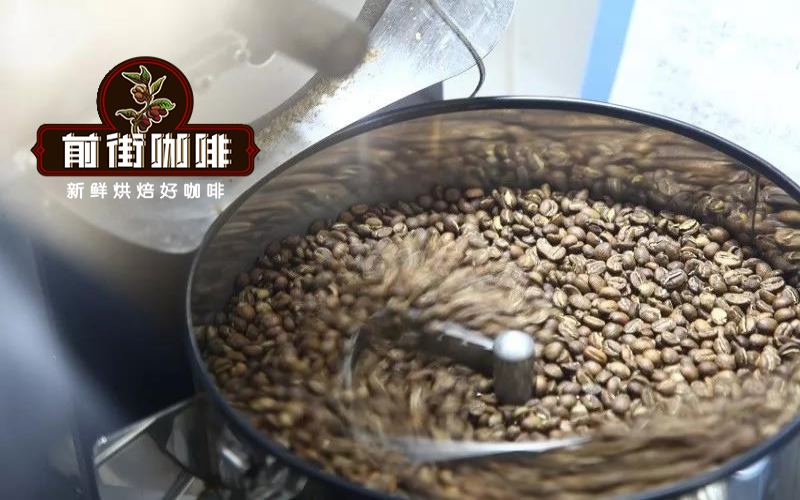
A Complete Guide to Coffee Bean Roast Levels: From Light Roast to Espresso, How Blue Mountain Coffee Achieves Neither Bitterness Nor Sourness
The roast level of coffee beans directly determines the flavor profile in the cup. From a light roast just shy of first crack to an espresso roast with oil on the bean surface, each stage gives coffee a completely different balance of acidity and bitterness as well as aromatic complexity. This article systematically breaks down eight mainstream roast levels—light, cinnamon, medium, high, city, full city, French, and Italian—explaining one by one their crack points, taste characteristics, and suitable growing regions, while offering bean selection advice based on specific Front Street Coffee products. In particular, it answers what roast level suits Blue Mountain coffee to achieve a balanced sweet-acidic-bitter profile that is neither bitter nor sour, and also covers roast choices for different brewing scenarios such as pour-over single origin, iced coffee, and café au lait, helping enthusiasts precisely match roast level to their flavor needs. [more…]
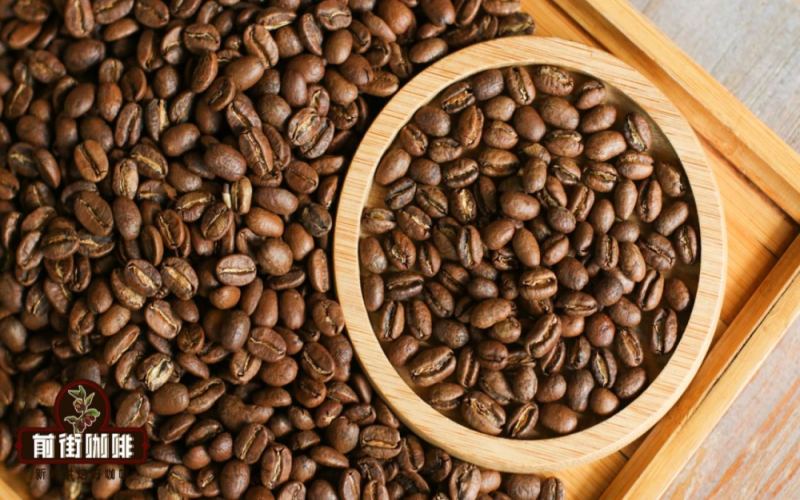
Coffee Roast Level Comparison | How Can Coffee Beginners Visually Determine Coffee Roast Level? What Are the Roast Flavor Characteristics of Espresso and Americano Coffee Beans?
The coffee beans we usually encounter have all been roasted. Roasting brings out the captivating aroma of coffee beans, and different roast levels give quite different impressions. In this issue, Front Street Coffee (FrontStreet Coffee) introduces several methods for identifying coffee roast levels. [more…]
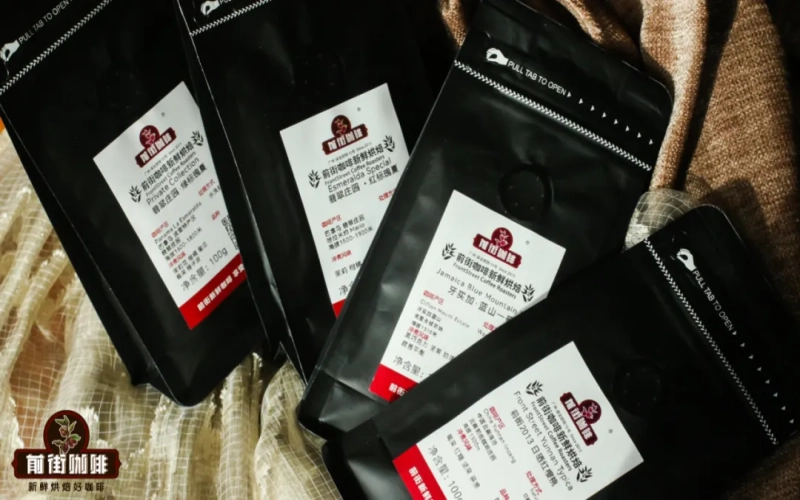
How to Tell Coffee Roast Levels Apart? From Acidic and Bitter Flavors to Appearance Parameters, a Thorough Guide to Judging Roast Degree
Faced with a dazzling array of coffee beans, how do you tell whether they are light roast or dark roast? This article starts with the industry's Agtron color value standard, explains why this professional grading system is not practical in everyday life, and then offers a more down-to-earth approach—classifying by the intensity of acidity, sweetness, and bitterness. It also uses specific examples from the Front Street Coffee bean list to teach you how to infer the roast level from flavor descriptions, and includes the brewing water temperature, grind size, and coffee-to-water ratio for different roast levels. In addition, observing the color of the bean surface and the oiliness can also provide a quick initial judgment, but you need to pay attention to a few exceptions to avoid under-extraction caused by misjudgment. [more…]

Light, Medium, and Dark Roasts for Pour-Over Coffee | What Are the Flavor Characteristics of Coffee Beans at Different Roast Levels? Do Light, Medium, and Dark Roasts Taste Very Different in Pour-Over Coffee?
For more specialty coffee knowledge, please follow: Front Street Coffee (Frontsteet Coffee) The roast level of coffee beans determines the direction of the coffee's flavor. Many coffee shops label the roast level on the coffee beans they sell, such as light roast, medium roast, cinnamon roast, etc., which makes it easy for beginners [more…]
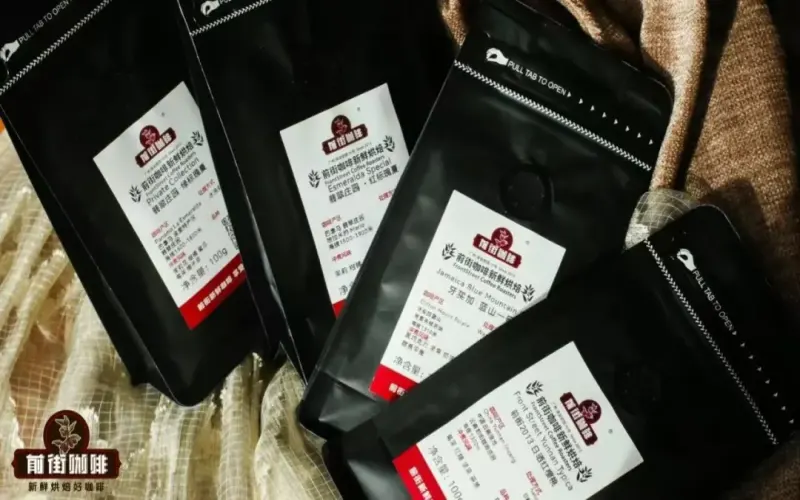
How Is Coffee Bean Roast Level Determined? Differences in Bean Selection for Espresso vs. Pour-Over and an Analysis of Huakui Roasting
How dark should a coffee bean be roasted? How light is light, and how dark is dark? This is a question Front Street Coffee is often asked. In fact, there is no absolute standard for roast level—the core lies in what flavors the roaster wants to present and which characteristics to highlight. This article draws on Front Street Coffee's practical experience: it first explains how roast level affects the coffee's body, density, and acidity-bitterness mouthfeel; then explains how light, medium, and dark roasts are judged at the actual drop point; and finally, using specific beans such as espresso, pour-over, Mandheling, and Geisha, it sorts out Front Street Coffee's complete approach to determining roast level, while retaining product information such as the Huakui medium-roast espresso option. [more…]
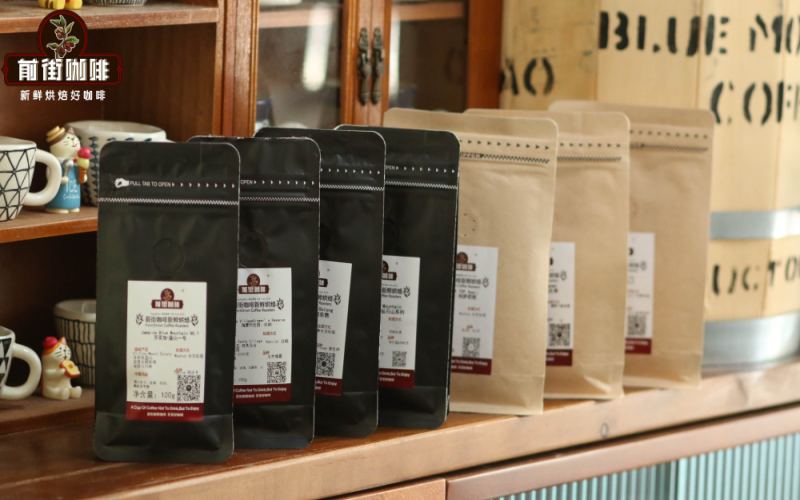
Recommendations for Non-Acidic Coffee Beans | What Are the Characteristics and Differences of Light, Medium, and Dark Roast Coffee Beans? What Water Temperature Is Suitable for Brewing Light, Medium, and Dark Roast Coffee Beans?
Some friends have pointed out that "Front Street's coffee beans don't have any indication of roast level." In response, Front Street plans to use an article to share knowledge about coffee roast levels with everyone. I believe that most people's understanding of coffee bean roast levels is basically that if it's sour, it's a light roast, and if it's bitter, it's a dark roast. Of course, as people in the industry [more…]
How Roast Depth Shapes Coffee Flavor and Mouthfeel—Analyzing Degree Differences and Key Selection Points
From seed to cup, roasting is the key step that unlocks flavor. The degree of roast affects not only the balance of acidity and bitterness but also whether the mouthfeel is light or rich. This article begins with the roasting stages, introduces how the SCA Agtron scale quantifies roast level, and explains why a light roast preserves the origin's true character while a dark roast delivers intensity and depth. It then uses Ethiopia Yirgacheffe and Indonesia Golden Mandheling as examples to show how Front Street Coffee chooses roast levels based on each bean's characteristics, ultimately producing completely different tastes in the cup. Whether you prefer fruity acidity or rich depth, understanding roast level will help you find the flavor you love more precisely. [more…]
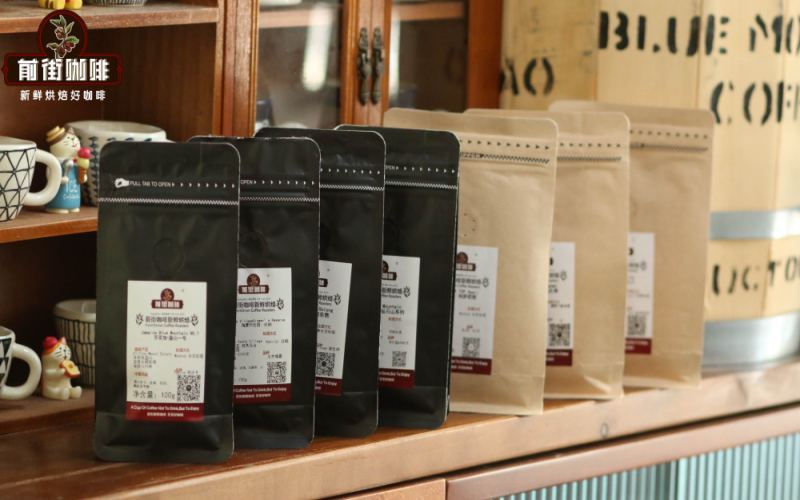
Interpreting Coffee Roast Levels Through Agtron Values: A Full Analysis of Acidity and Bitterness Differences Across Light, Medium, and Dark Roasts and City Roasts
Many coffee enthusiasts rely on the rule of thumb that acidity means light roast and bitterness means dark roast to judge the degree of roasting, but the industry has a more precise standard—the Agtron color value. From the perspective of Front Street Coffee, this article systematically sorts out a total of eight levels from light roast to Italian roast, and, combined with the timing of first crack and second crack for dropping the beans, explains the flavor direction and the changes in acidity and bitterness at each stage, and also explains the meaning of terms such as City Roast. At the same time, Front Street also shares how to use flavor descriptions to help consumers judge the roast level more intuitively, and gives brewing parameter suggestions corresponding to medium-light roast and medium-dark roast, so that you no longer feel troubled by technical terms. [more…]
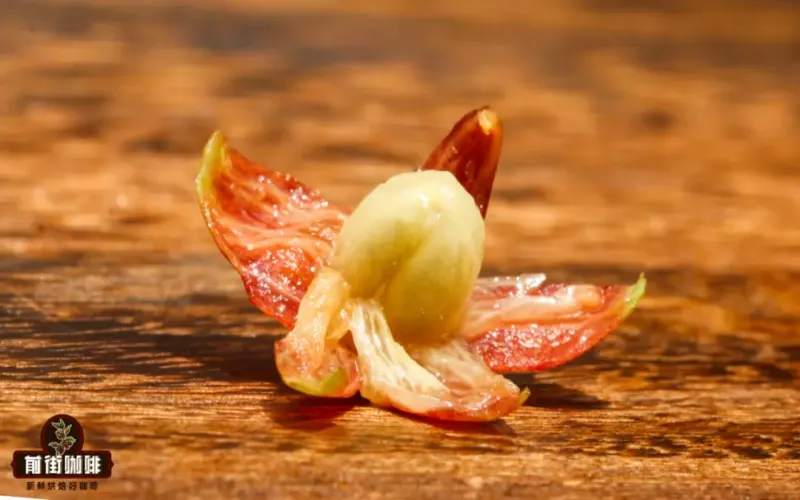
A Complete Guide to Coffee Roast Levels: Flavor Differences and Healthy Choices for Light, Medium, and Dark Roasts
Raw coffee beans can only release those thousand-plus aromatic compounds and become a fine brew in the cup after roasting. During heating, substances such as sugars and lipids undergo Maillard reactions and caramelization, while the coffee bean fibers gradually carbonize, ultimately approaching a charcoal-like state. Based on the degree of carbonization and surface color, the industry classifies roast levels into three major categories: light, medium, and dark. Under different roast levels, the amount of precursor aromatic substances retained in coffee beans and the degree of fiber caramelization differ, resulting in distinctly different acid-bitterness balance and regional flavors. Light roasts are bright with acidity and aroma, medium roasts are balanced with nutty and creamy notes, and dark roasts are full-bodied with interwoven bitterness and sweetness. Starting from the principles of chemical reactions, this article will break down the flavor characteristics of the three roast levels one by one, recommend representative Front Street specialty coffee beans for each roast level, and also discuss which roast level is more in line with health considerations, providing a reference for coffee lovers' daily purchasing decisions. [more…]
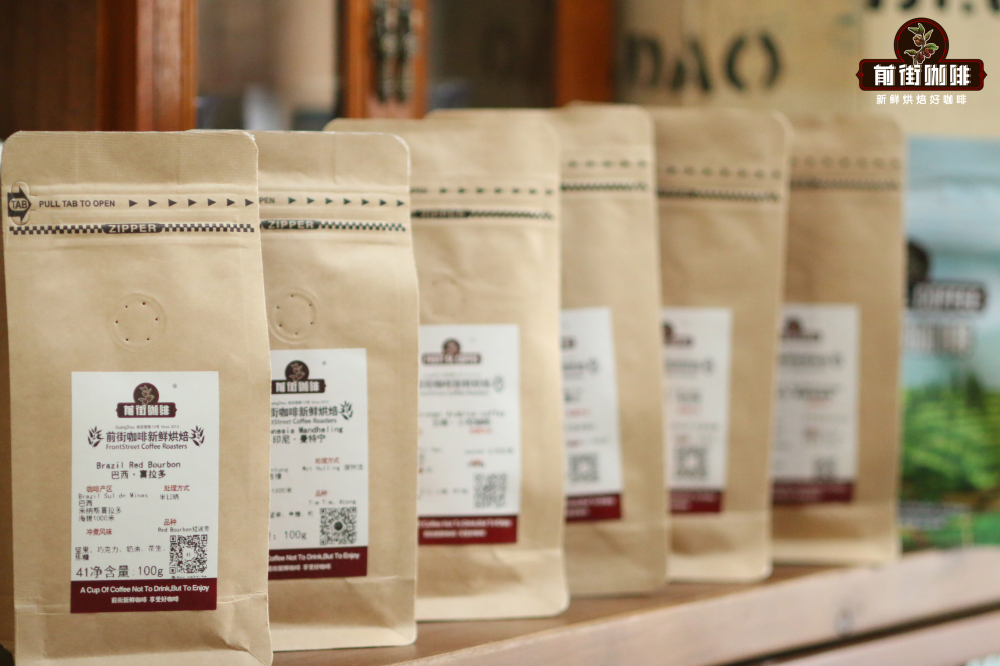
How Coffee Flavor Is Created | Which Coffee Bean Roast Level Is Best? How Can Coffee Beginners Distinguish Dark, Medium, and Light Roasted Coffee Beans?
For more specialty coffee knowledge, please follow: Front Street Coffee (Frontsteet Coffee). Some friends who have purchased Front Street Coffee (FrontStreet Coffee) beans may be a bit confused about why Front Street's coffee bean labels don't indicate the roast level. [more…]